

Trinity Fields: A Sustainable Future for Community Sport
Creating more opportunities for local children and young people across the borough to be active, healthy and engaged.


Welcome
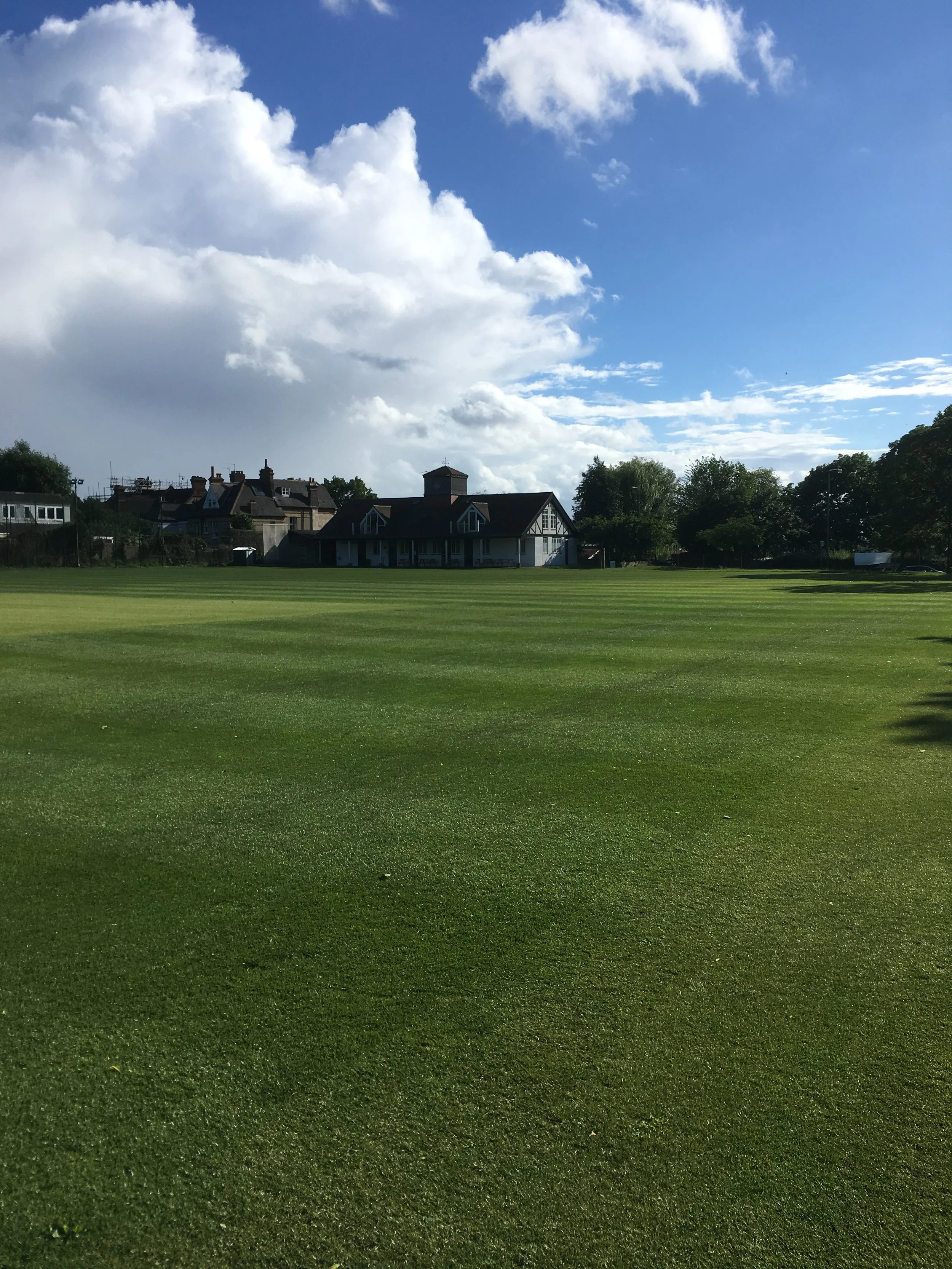
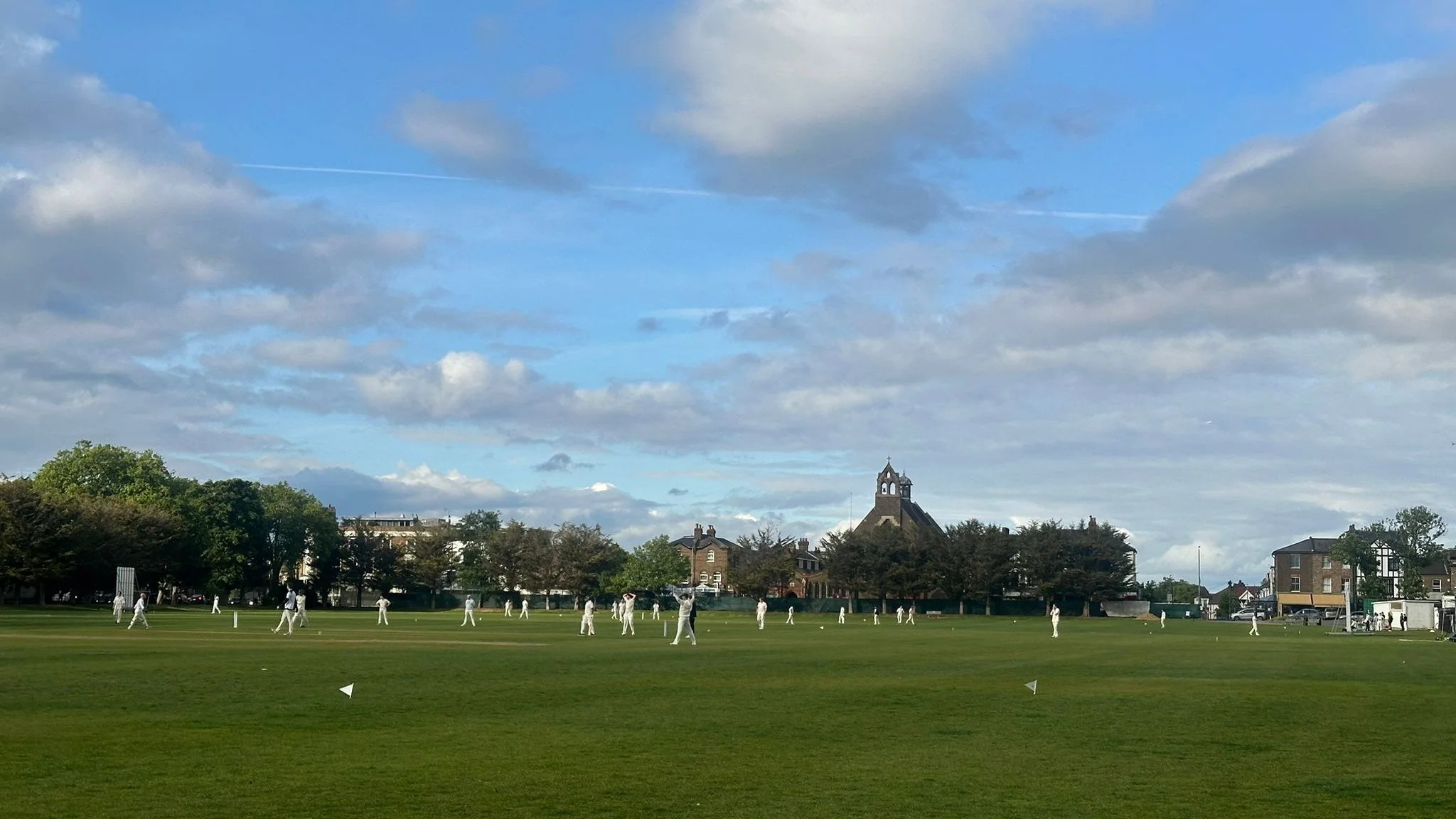
Thank you for visiting Trinity Fields Trust’s consultation page which sets out our emerging plans to enhance Trinity Fields and secure its long-term future as a place where local children and young people can enjoy sport, physical activity and outdoor recreation in a safe and managed space.
Our ambition is simple:
to enable as many children and young people as possible from Wandsworth, Lambeth and Battersea to benefit from high-quality sporting and recreational facilities
to ensure that Trinity Fields remain a sustainable community asset for future generations
and to respect the historical character of the site that we know is appreciated by its close neighbours.
The proposals are still at an early stage, and no planning application has yet been submitted. It is therefore an ideal time for the local community to pass on its views and feedback. We are keen to hear from our neighbours and from those who use the Fields. We will review and consider all comments received before finalising our plans and submitting a planning application to the London Borough of Wandsworth.
About Trinity Fields
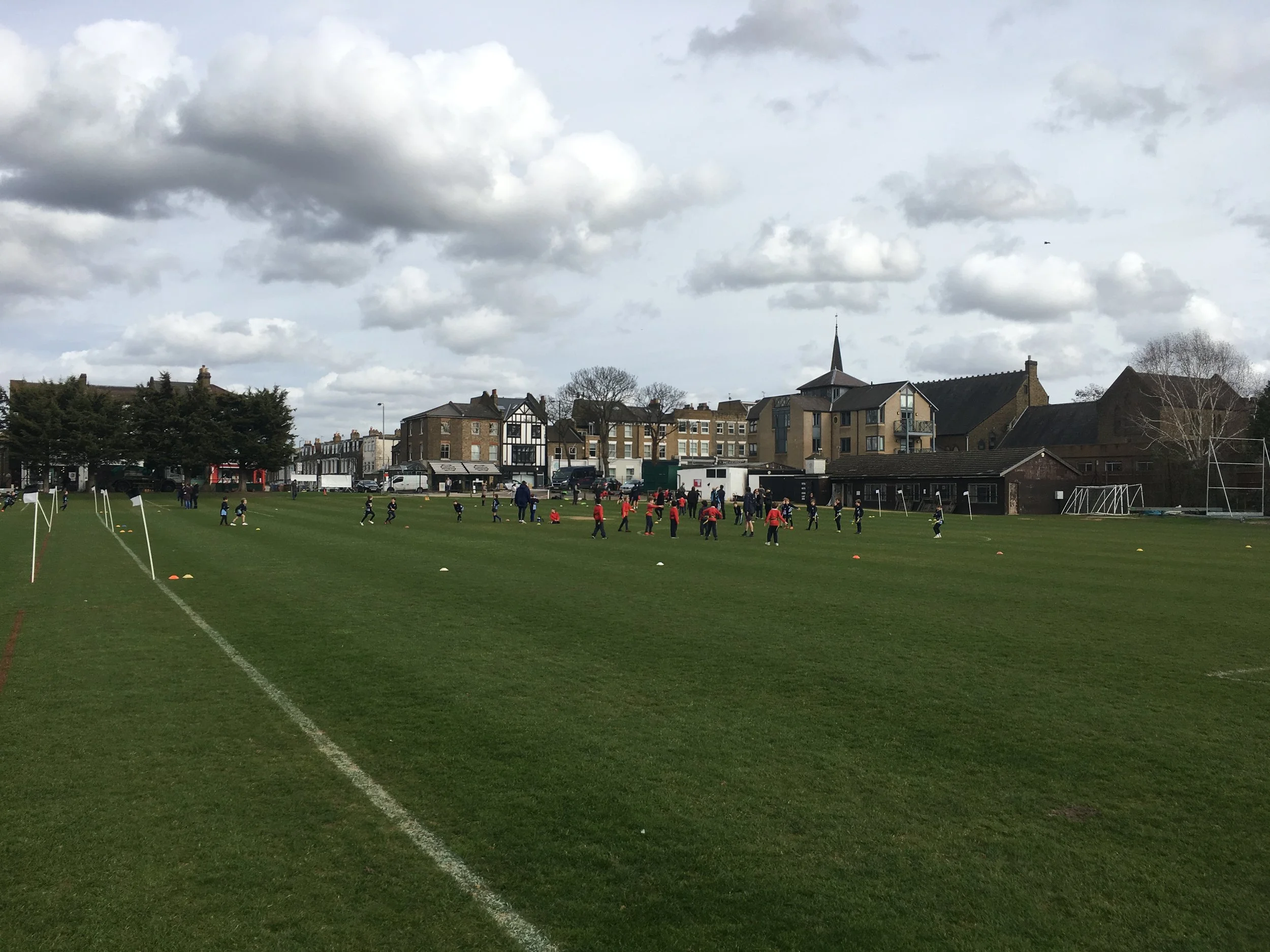
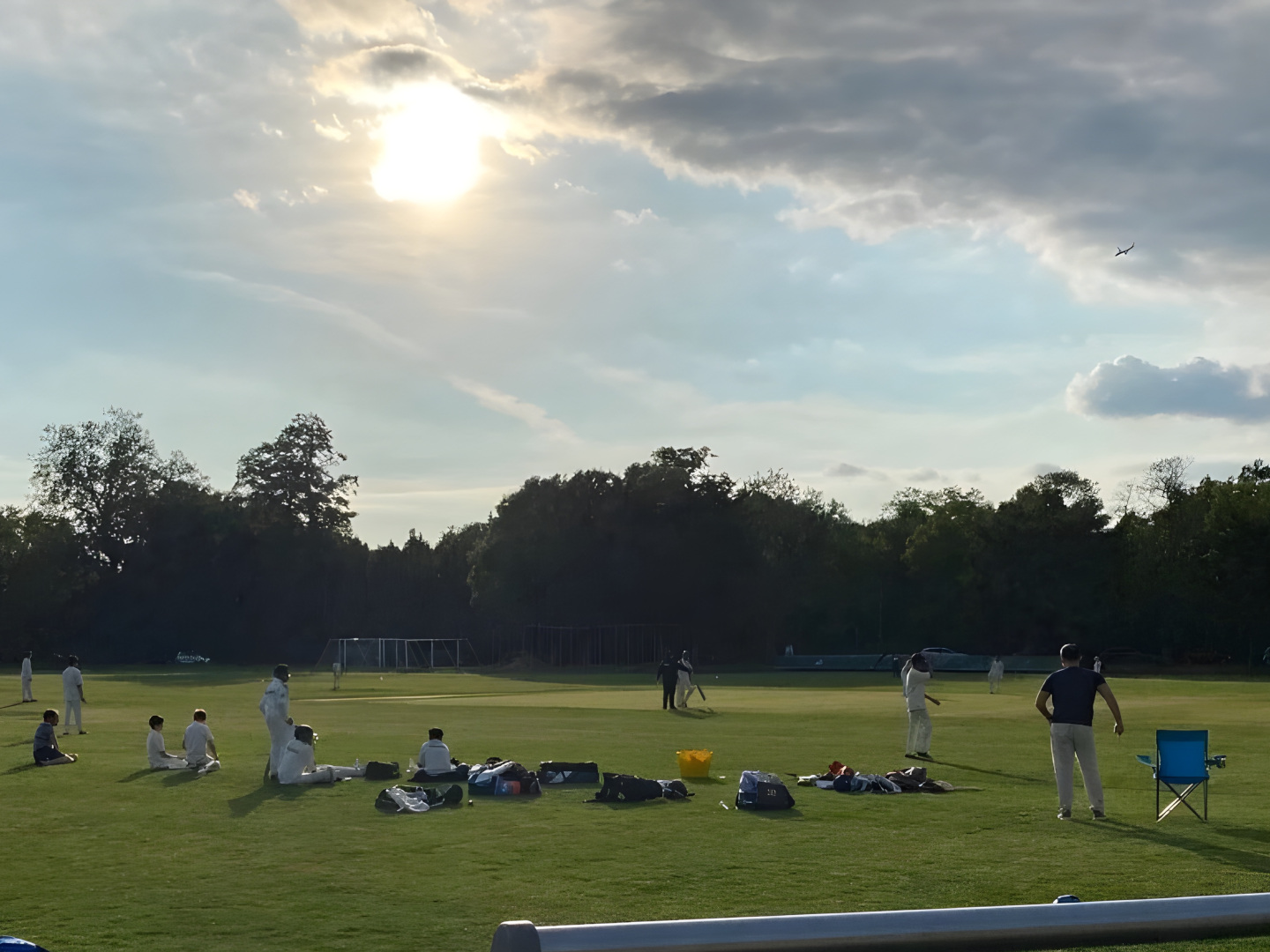
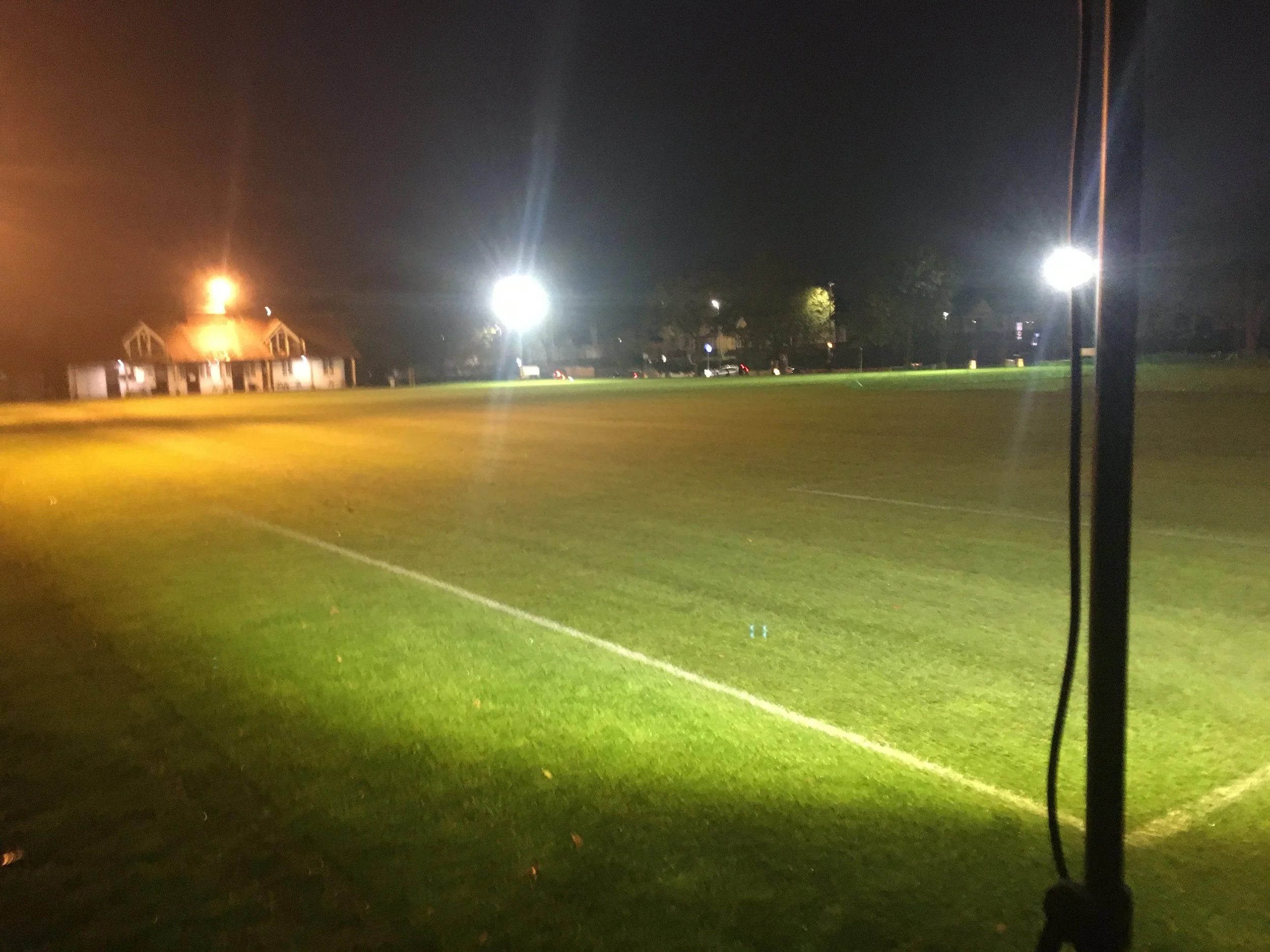
Trinity Fields have been an important local sporting venue for more than a century.
The site, located between Trinity Road and Burntwood Lane, has hosted sport since the late nineteenth century and has a long association with cricket and football.The land was formally acquired in 1918 to provide playing fields for local education and sporting purposes. Today, Trinity Fields remains a valued sporting destination used by schools, sports clubs, activity providers and local residents - on both a charitable and paid-for basis.
Trinity Fields Trust (TFT) is a registered charity responsible for managing and operating the site. Established in 1996, the Trust leases the Fields from Sir Walter St John's Educational Charity (SWSJEC) and is responsible for maintaining, preserving and developing the facilities for current and future generations.
The Trust's charitable mission aligns with that of the Fields’ owner, SWSJEC, and is to enable as many children and young people under the age of 25 as possible to participate in sport and physical activity, regardless of background, gender or circumstance.
Why Change?
While Trinity Fields remains a valued local facility, the Trust faces a number of growing challenges.
Weather dependency
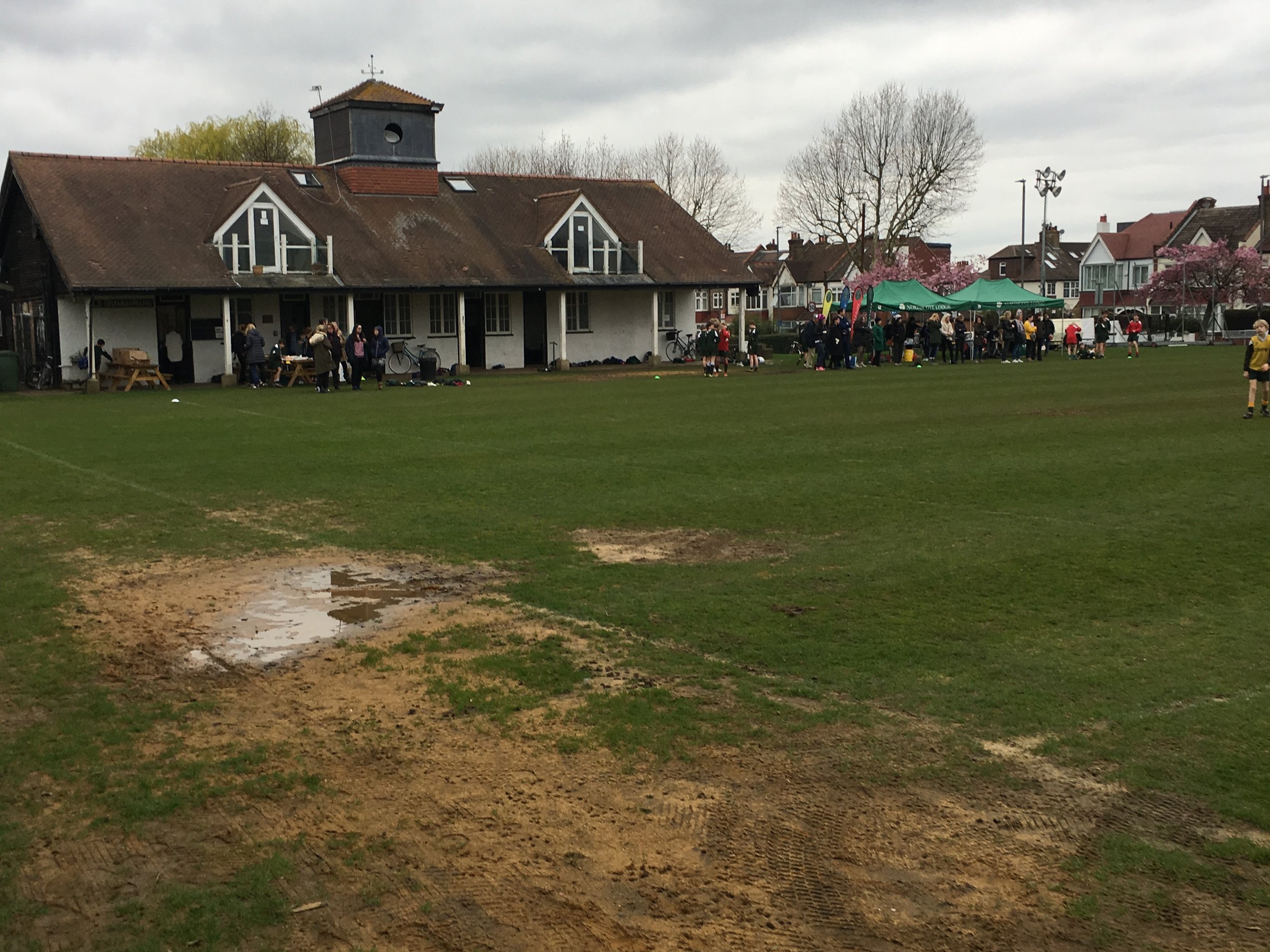
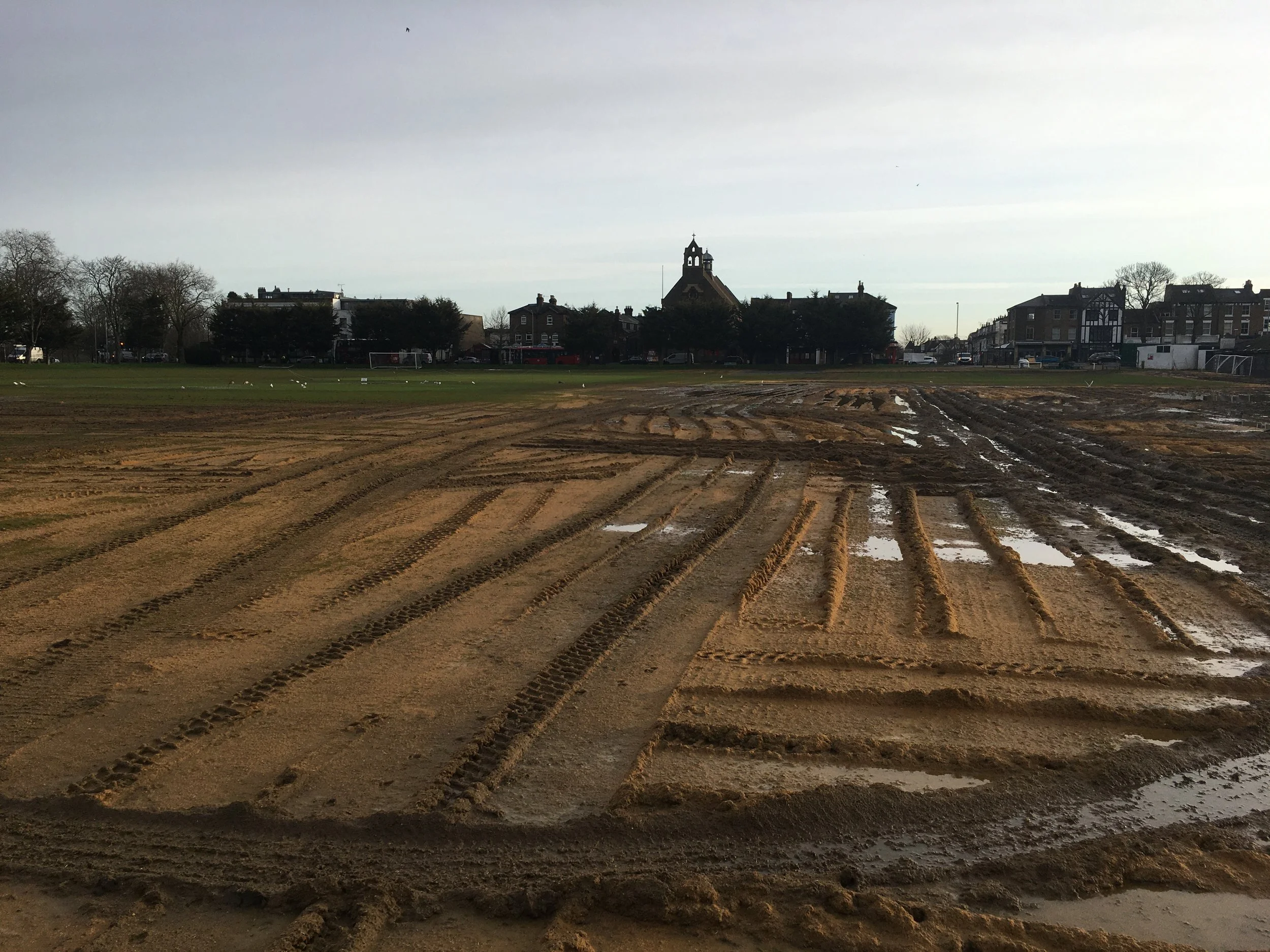
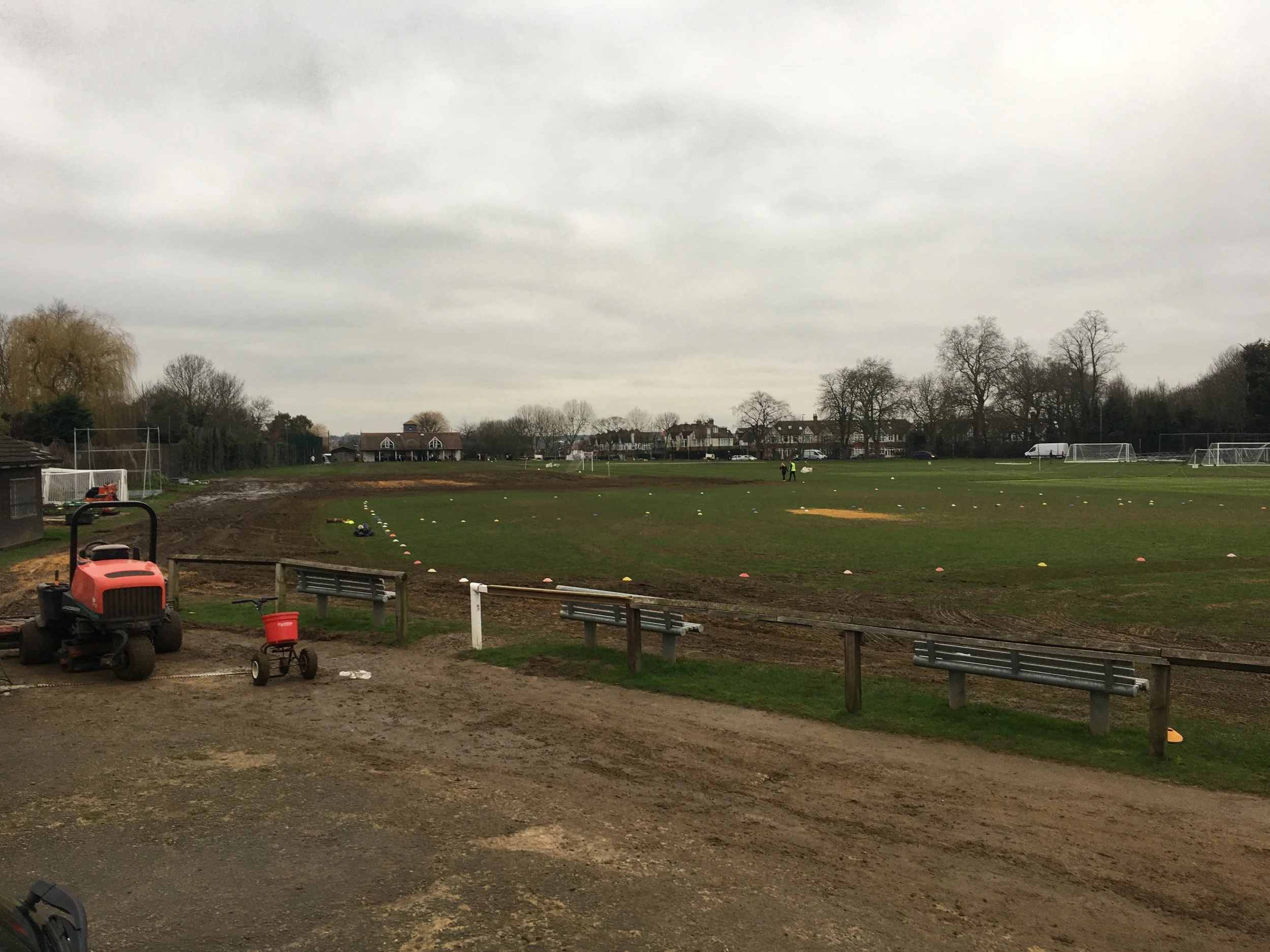
As a grass-based sporting facility, usage is heavily affected by weather conditions. Heavy rainfall can make football and cricket pitches unsafe and/or unusable, while prolonged dry weather creates challenges for playing quality, safety and pitch maintenance.
Recent years have demonstrated the impact of increasingly unpredictable weather patterns, including significant drainage repair costs and rising water bills required to maintain facilities, especially for cricket, during dry periods.
Limited capacity
In order to maintain a safe and good quality playing surface, the existing grass pitches can only be used for a limited number of hours each week before rest and maintenance are required. This restricts the number of children, schools and community organisations who can use the site. It also limits opportunities to expand charitable programmes and increase community use, such as providing more holiday camps during school holidays.
Rising costs
The Trust needs to maintain the extensive sports and recreational facilities and remain financially viable and sustainable.
The Pavilion and Clubhouse both require ongoing investment and refurbishment.
Day-to-day operational costs continue to increase due to wider economic pressures.
Without change, Trinity Fields will continue to be adversely affected by the weather, limited capacity, and rising costs.
Ultimately, this means that it will become increasingly difficult to secure the long-term future of Trinity Fields and deliver the Trust’s charitable objectives at the scale that local communities want and need.
Guiding Principles

As the long-term custodian of Trinity Fields, the Trust’s vision is to preserve the site's sporting heritage and character while creating a more flexible, sustainable and accessible facility that can serve significantly more children and young people than it does today.
The proposed changes are guided by several key principles:
Expanding access for state schools
The Trust intends to continue to prioritise school use during the daytime throughout term time.
Upgraded and improved facilities would allow Trinity Fields to offer significantly more, and free use by local state schools, including free sporting opportunities and educational programmes.
Supporting community sport
The plans would increase opportunities for local clubs and residents by providing facilities that support a wider range of sports and activities throughout the year.
Creating a sustainable future
The proposals aim to create more reliable income streams that can support the ongoing maintenance of the Fields, fund charitable programmes and help finance improvements to existing facilities.
Protecting a valued community asset
The Trust's ambition is to retain the fundamental character of Trinity Fields and to ensure it remains a viable and active sporting destination for generations to come.
Putting children first

Our current challenges at the Fields come at a time when the need for accessible sports facilities has never been greater, as referenced in our 2025 Impact Report.
Many children across south west London face significant barriers to physical activity despite expressing a strong interest in sport and fitness. The benefits of regular participation are well established and include:
Improved physical health and fitness
Better mental wellbeing
Increased confidence
Stronger social connections
Improved educational engagement and attainment
The Trust strongly believes that Trinity Fields has an important role to play in helping more young people access these benefits.
Proposals
The Trust is exploring a range of improvements that are shown in the sketches at the bottom of this section.
A Full-Size 3G Pitch
A new all-weather pitch capable of supporting a range of football formats, especially nine-a-side and potentially eleven-a-side. This would reduce the weather-related disruptions and enable increased access to sport all year round.
Multi-Use 2G Games Areas (MUGAs)
A flexible sports area capable of accommodating a range of activities, including mini football, hockey and tennis formats, as well as basketball, netball, other sports and roll-on cricket nets.
This multi-use area would provide valuable new opportunities for schools during the day in term time, community users during evenings and weekends and local children’s camps during the school holidays..
Covered Cricket Nets
Two covered cricket practice facilities that would be installed next to the existing Clubhouse on unused space.
These would provide year-round training opportunities, which are currently not available, and help to support the continued future of cricket at Trinity Fields.
A Running Trail
A new organic bark running route around the inside perimeter of the Fields, creating additional opportunities for informal exercise and recreation.
Retaining Key Existing Features
The aim is to retain:
The main cricket square
The Pavilion
The Clubhouse
Most perimeter trees and landscaping
The Secret Garden next to Trinity Chapel
The intention is to enhance sporting provision while maintaining the site's established character and community value.
The total grass area which will be converted to all-weather will be less than 30 percent of the current total grass area. We would also undertake extensive planting on current unused areas. The current Trinity Road cricket pitch including boundary will remain as all grass.
Proposal Images
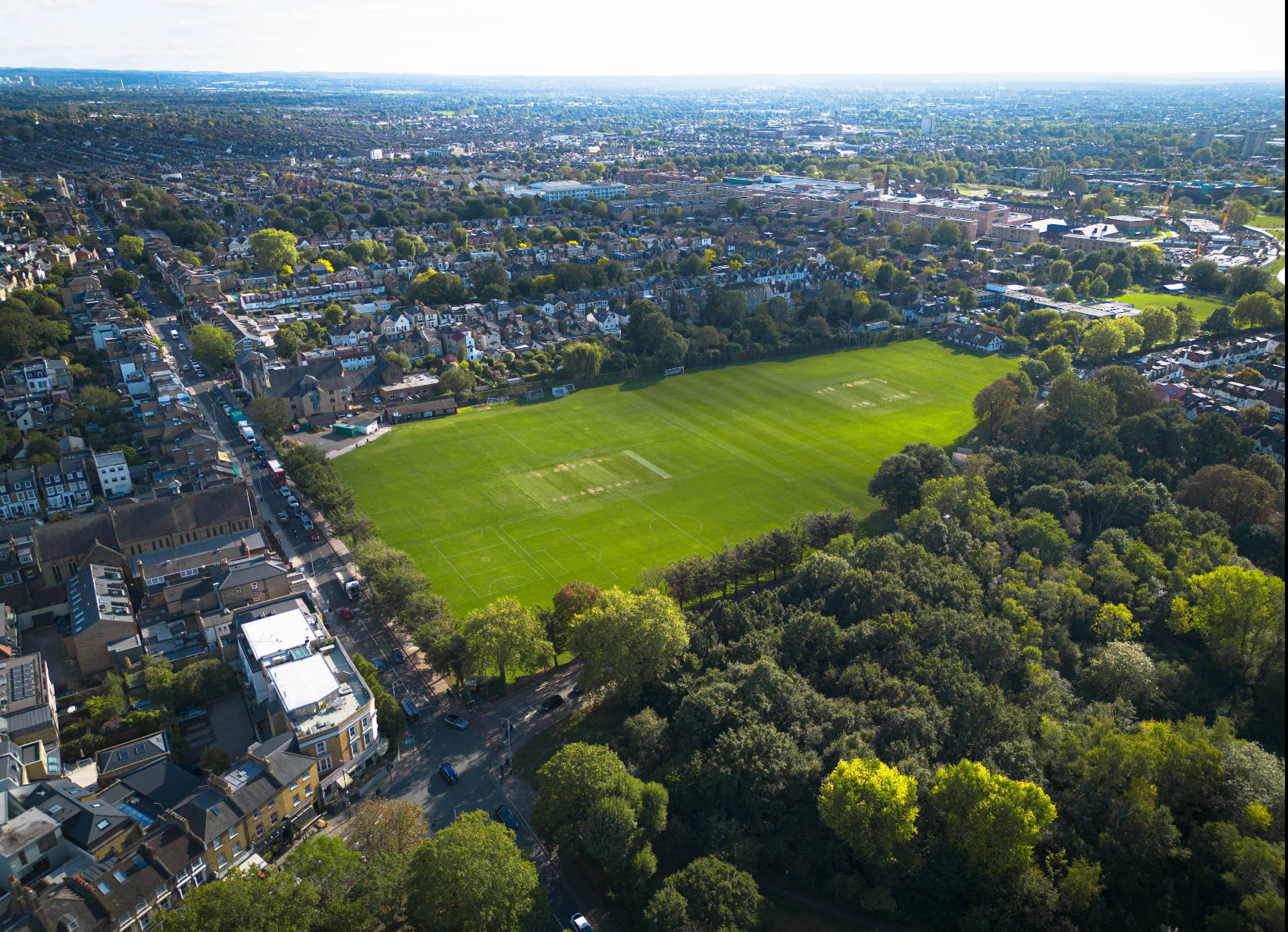
Current aerial view
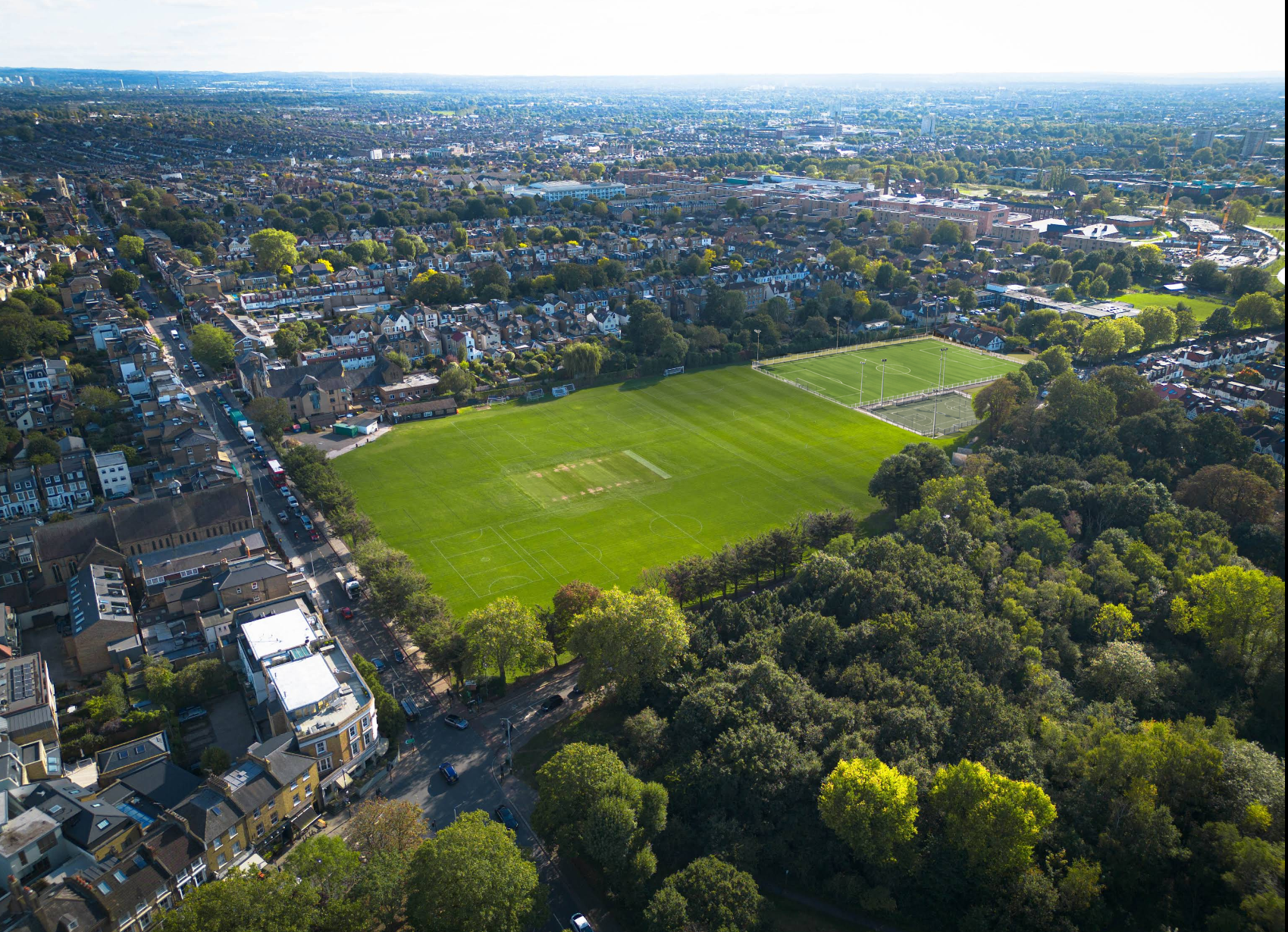
Aerial view showing proposed 3G pitch and MUGA at Beechcroft Road end
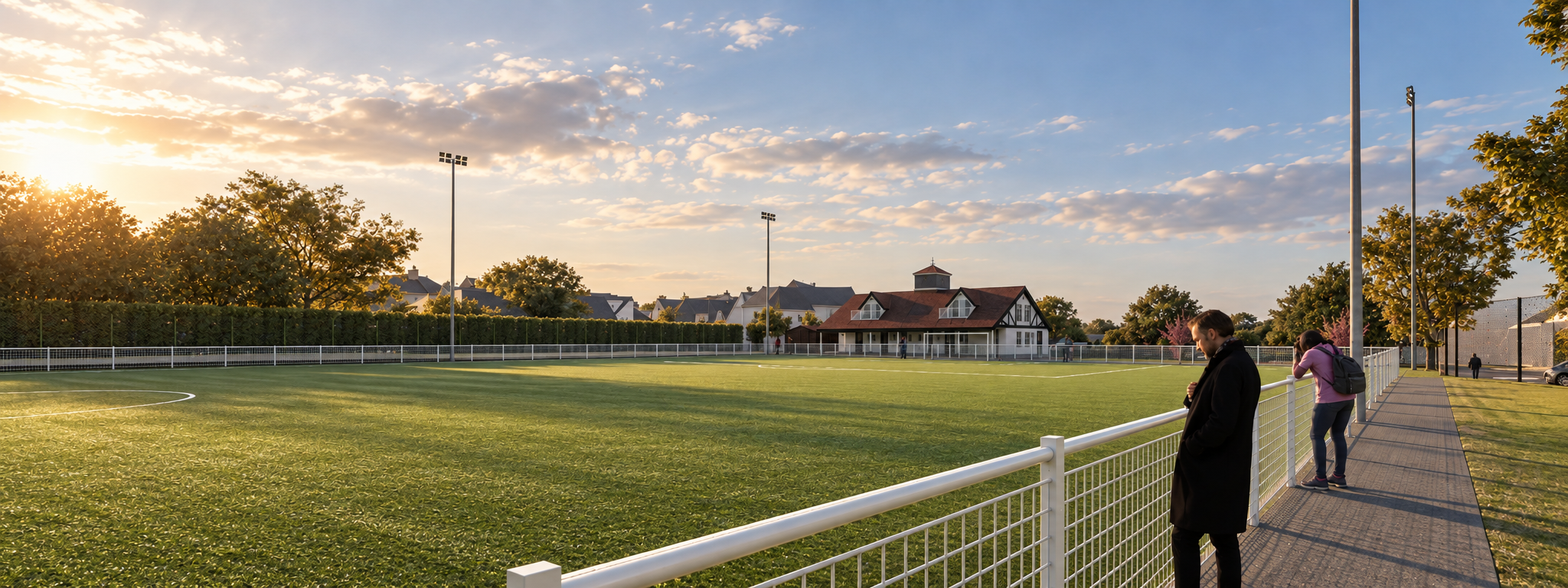
Impression of the view towards the pavilion across the 3G pitch
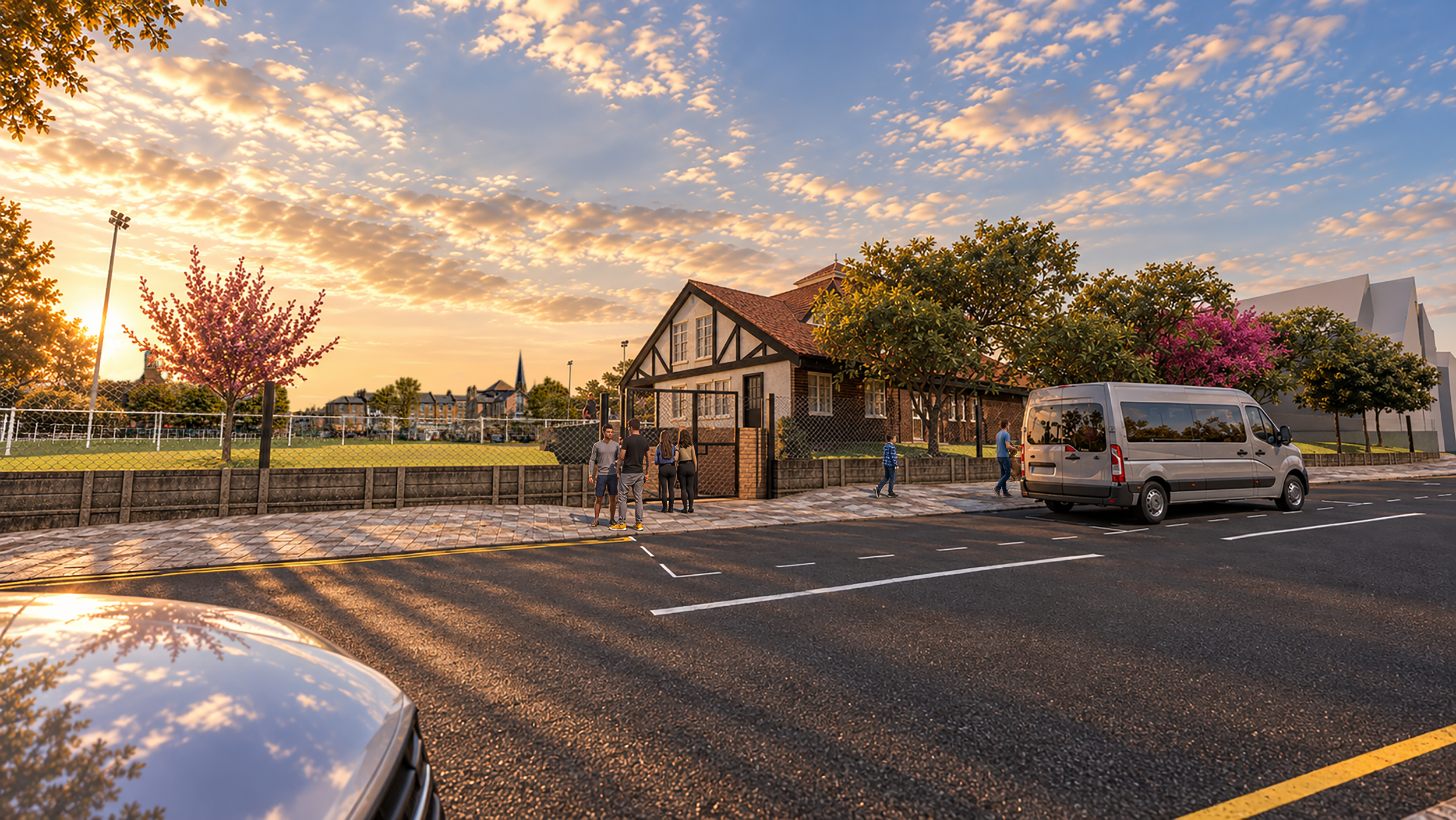
Proposed view across the fields to Trinity Road
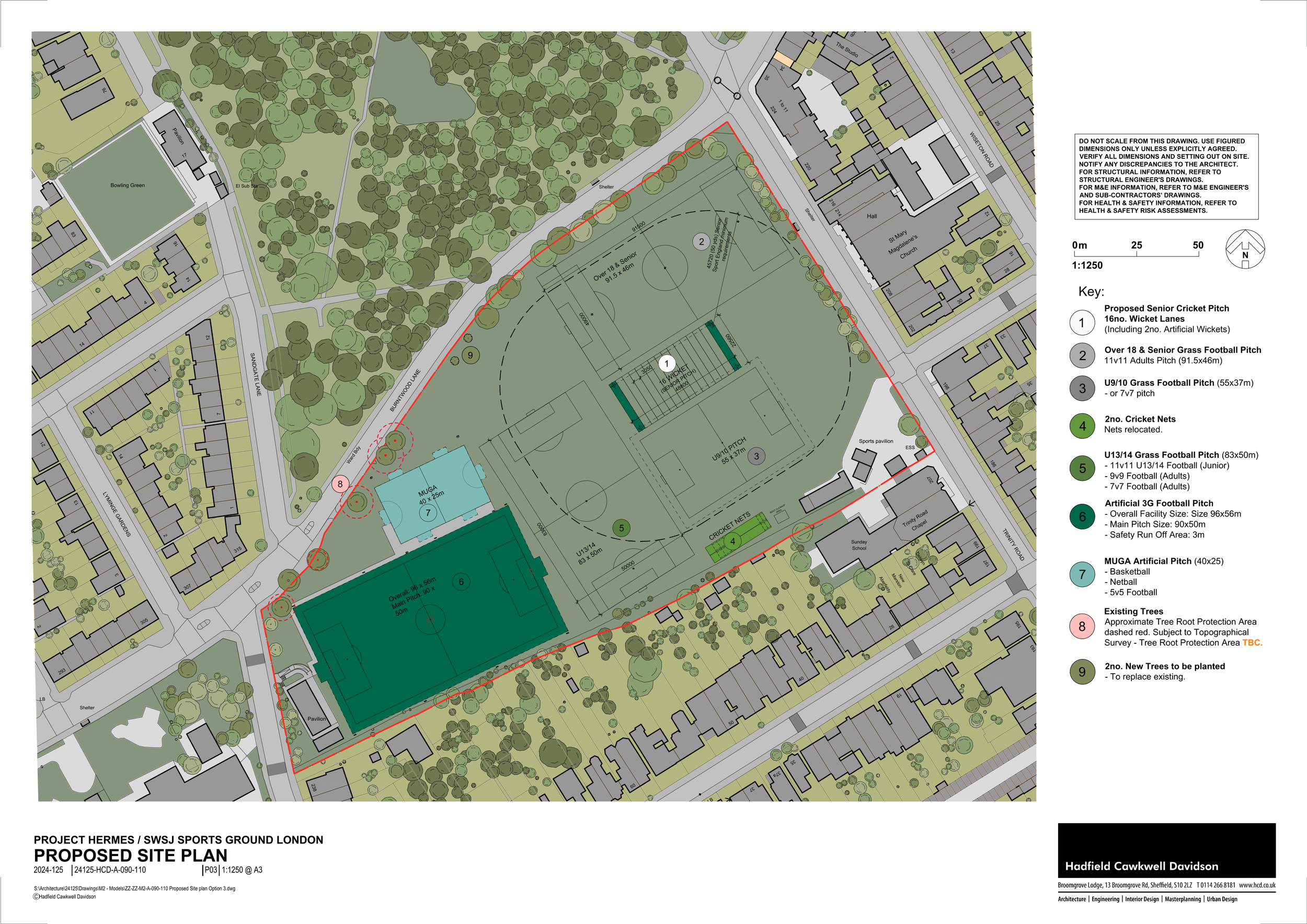
Proposed site plan
Benefits
The Trust believes the proposals could deliver a range of benefits:
More Sporting Opportunities
More children, schools and community organisations would be able to access sports and holiday camp facilities throughout the year on a charitable and/or paid-for basis.
Free availability and access to state schools will increase exponentially, with all-weather facilities being made available to them for all days during term time, and bookable in blocks. That is over 1,200 free activity hours being made available each year.
Year-Round Access
All-weather facilities would significantly reduce cancellations caused by poor weather.
Increased Community Use
The facilities could support a more diverse range of sporting activities across different age groups and abilities.
Long-Term Sustainability
A more reliable operating model would support ongoing investment in the Fields and help to fund the Trust’s charitable programmes as well as contribute to the upgrades needed in the Pavilion and Clubhouse resulting in more community usage opportunities.
Reduced Maintenance Impacts
Less intensive grass maintenance could reduce operational emissions, machinery use and disruption associated with pitch management.
Environment & Community
The Trust understands local residents may have questions about the potential impact of the proposed developments.
As proposals evolve, detailed assessments would be undertaken covering:
Transport and traffic
Travel planning
Biodiversity
Trees and landscaping
Lighting
Noise
Ecology
Visual impact
The Trust's objective is to minimise negative impacts for nearby residents while maximising the public benefits. Any future planning application would be accompanied by detailed technical assessments that will be independently scrutinised by the Council before deciding whether to grant planning permission.
Have Your Say
These proposals remain at an early stage. As a local charity rooted in the local community, we believe it is vital that local people have a chance to comment on our plans before submitting a formal planning application to the Council for consideration.
The feedback form will be live between now and October 8th 2026. Feedback received through this form will help shape the next phase of design development and inform future decision-making.
We are committed to establishing a close dialogue with our closest residential neighbours throughout this .
If you would like to meet us face-to-face and/or have a guided tour of the Fields, please get in touch with us at consultation@trinityfieldstrust.org
You can also email your comments to us directly at consultation@trinityfieldstrust.org
Frequently Asked Questions
-
The Fields face increasing pressures from weather-related disruption, rising operating costs and ageing facilities. The proposals are intended to secure the long-term future of the site while allowing significantly more children and young people to benefit from their use.
-
No.
The proposals are specifically intended to expand sporting opportunities for local state schools and increase community access. The Trust's objective is to create facilities that can be used by significantly more children and young people from across Wandsworth, Lambeth and Battersea.
We would expect a material rise in usage by local state school pupils. We would hope we could be close to capacity during term time. We are also working on how to get the pupils to and from the Fields safely, and ensure their welfare whilst there.
-
Yes.
Cricket would continue to form an important part of activity at the Fields on the main cricket square. Further, the provision of roll-on nets on the MUGA as well as new covered cricket nets will considerably increase cricket the scope and availability of training facilities.
-
The current proposals retain both the Pavilion and Clubhouse, although refurbishment and improvement will need to be explored in the future as both buildings are in need of repair.
-
The Trust does not expect significant increases in traffic associated with the proposals. A future planning application would include a Transport Assessment and Travel Plan setting out how visitors would be encouraged to travel sustainably.
-
Existing licensing controls and site management policies would remain in place. These were specifically designed to minimise nuisance to neighbours.
-
The site already has lighting. If future proposals result in increased use, downlighting would be designed and managed to minimise light spill and reduce impacts on neighbouring properties and wildlife.
-
The Trust is seeking to minimise the loss of green space and retain as much of the site's character as possible. Proposals would also include new planting and the creation of a perimeter running route to repurpose underused areas.
The total grass area which will be converted to all-weather will be less than 30 percent of the current total grass area. The current Trinity Road cricket pitch including boundary will remain as all grass.
-
The facilities could support multiple formats of football, cricket, netball, basketball, tennis, hockey, touch rugby and a range of other activities depending on final design and operational arrangements.
-
Funding has not been agreed at this stage.
Early discussions suggest that securing planning permission is preferred before seeking investment.
-
No.
The consultation feedback will help inform the next steps before any future planning submission is made.
Once a planning application is submitted to Wandsworth Council, they will run their own statutory consultation.
The Trust will share timings and details of its submission on its website in due course.
-
You can submit your comments using the consultation feedback form at the bottom of this webpage and by email. All feedback will be reviewed by the Trust and considered as plans continue to develop.
-
The Trust wishes to continue to be a good and responsible neighbour. In that spirit, it is important that any potential enhancements to the Fields include the views of the local community and users.
If you have any questions about the proposals, please use the contact details provided on this website (consultation@trinityfieldstrust.org) or complete the consultation feedback form.
We look forward to hearing from you and thank you for helping us to shape the future of Trinity Fields for generations to come.